How luck influences your casino experience
The Essence of Luck in Gambling
Luck plays a crucial role in the world of gambling, significantly shaping players’ experiences in casinos. While skill and strategy can enhance a player’s ability to win, it is often the unpredictable nature of luck that ultimately determines the outcome of most games. This element of chance encapsulates the excitement found in gambling, as each spin of a slot machine or flip of a card can lead to unexpected results, particularly when exploring payid casinos australia that offer unique gaming options. Players frequently rely on this randomness, believing that luck is a central factor in their potential success.
For many, the thrill of gambling is closely tied to the hope that luck will be favorable. This belief can differ from person to person; some may feel that luck is entirely outside their control, while others are convinced they can influence it through rituals or superstitions. The psychological aspects of luck can enhance the overall casino experience, as players engage in behaviors or practices they believe might attract positive outcomes. Whether it’s wearing a particular outfit or carrying a lucky charm, these rituals add a personal touch to the gambling experience, intertwining with the broader narrative of chance.
The concept of luck is intricately woven into the design of casino games, as most are created around this element of chance. Developers intentionally craft gaming environments that emphasize unpredictability, encouraging players to take risks in hopes of winning big. The vibrant lights and sounds of slot machines, for example, are specifically designed to evoke feelings of excitement, making players feel that luck could strike at any moment. This blend of design and randomness creates an atmosphere where luck seems almost tangible, elevating the gaming experience to new heights of anticipation and enthusiasm.
Superstitions and Their Impact on Players
Superstitions are a common phenomenon among casino-goers, with players often believing that certain actions or objects can influence their luck. From avoiding specific numbers to following particular rituals before placing bets, players may engage in these behaviors to feel a greater sense of control over their luck. These superstitions can vary widely across cultures, adding an interesting layer to the social aspect of gambling. When players share their unique beliefs, it fosters a sense of community, as they bond over their shared experiences and expectations, making the gambling environment feel more relatable.
The power of belief in luck and superstitions can significantly impact a player’s mindset. For example, a player who feels they are on a “winning streak” may take more risks, increasing their willingness to bet larger amounts. Conversely, a player who perceives they are experiencing a “bad run” may approach the table with trepidation, potentially leading to poor decision-making. The psychological influences of these superstitions can create a self-fulfilling prophecy, whereby belief in luck directly affects the outcomes of the games played, further intertwining luck and player psychology.
Moreover, casinos often capitalize on these beliefs by designing environments that cater to superstitious behaviors. For instance, some casinos may avoid using the number 13 in their branding or architecture, understanding that many view it as an unlucky number. Such design choices reflect a keen awareness of player psychology, illustrating how deeply ingrained perceptions of luck are in the gambling experience. As players navigate these spaces, their actions influenced by superstition create an intricate web of luck-driven decisions, impacting the broader casino atmosphere and player interactions.
The Role of Randomness in Game Mechanics
Randomness serves as the backbone of most casino games, ensuring that luck remains a pivotal part of the overall experience. The mechanics behind slot machines, card games, and other forms of gambling are meticulously crafted to incorporate randomness, making every game session unique. This unpredictability keeps players engaged and returning for more, as each visit offers the promise of potential rewards. Understanding the degree of randomness in these games can help players appreciate how luck plays a role in their overall experience and outcomes.
In games like roulette, for example, the outcome is driven entirely by chance, with players relying solely on luck to determine where the ball will land. In contrast, games like poker combine elements of skill and luck, creating a more nuanced experience where players can strategize while still being affected by random card distributions. Regardless of the game type, the incorporation of randomness ensures that luck remains a core component of the gambling experience, captivating players from various backgrounds and skill levels.
The perception of randomness can also amplify the emotional aspects of gambling, leading to feelings of euphoria or despair based solely on luck. Winning can evoke a rush of adrenaline and excitement, while losses may provoke frustration. This emotional rollercoaster is inherent to the gambling experience, often fueled by the belief in luck as a determining factor. Players may find themselves emotionally intertwined with the outcome of a game, demonstrating just how significant luck can be in shaping their experiences in a casino setting.
The House Edge and Player Expectations
The “house edge” is a term that describes the mathematical advantage that casinos have over players in various games. This inherent advantage ensures that, while luck plays a significant role, the casino ultimately maintains profitability over time. Understanding the house edge is essential for players, as it frames their expectations about winning and losing. Even with luck on their side, players must remember that the odds are typically stacked in favor of the house, which can lead to disappointment if expectations are not managed appropriately.
Factors such as payout percentages and odds vary from game to game, affecting how luck is perceived by players. A game with a high payout percentage may give players the illusion that luck favors them, encouraging continued play. Conversely, games with lower payout percentages may lead players to feel less fortunate, regardless of the luck involved. This disparity creates a complex relationship between perceived luck and actual outcomes, impacting how players choose to engage with different casino offerings and their overall gambling strategies.
While luck undeniably influences the gambling experience, recognizing the role of the house edge can help players develop a more informed approach to their gaming. Players who understand that luck is just one component of a broader equation are better equipped to enjoy their time in a casino while maintaining realistic expectations. Balancing the thrill of luck with an awareness of the underlying mechanics of games can lead to a more enjoyable and potentially rewarding casino experience, allowing players to appreciate the entertainment value alongside the chance of winning.
More Than Just Luck: The Experience of Casino Gaming
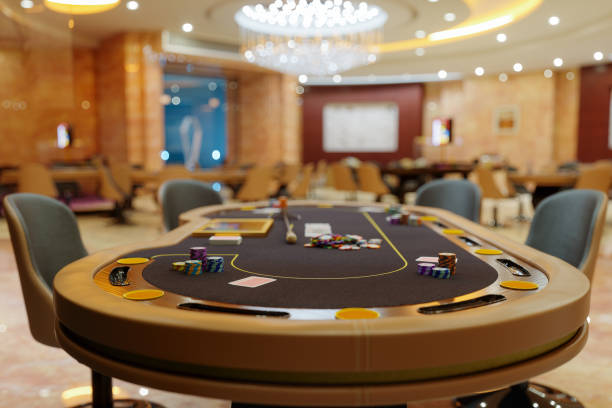
The casino experience encompasses much more than luck; it incorporates social interaction, entertainment, and the ambiance of the venue. Players gather in these spaces not only to gamble but also to enjoy the overall atmosphere, from the vibrant lights to the captivating sounds of rolling dice and spinning wheels. This environment significantly influences how players perceive their luck and overall gaming experience, as they become part of a larger social fabric that celebrates wins and commiserates losses together, creating memorable experiences beyond the games themselves.
Furthermore, many casinos offer perks and rewards that enhance the player experience beyond the luck of the draw. Loyalty programs, complimentary services, and special events create an environment that feels rewarding in various ways. Players often find themselves drawn to a specific casino not just for the games but for the overall experience and the way it makes them feel valued as customers. This aspect of the casino experience fosters a sense of community and belonging among players, enriching their time spent in these venues and heightening the appeal of returning.
Ultimately, while luck will always be a factor in gambling, the complete experience transcends chance alone. Players who embrace the broader aspects of gaming—such as social connections, entertainment value, and the hospitality of the casino—can cultivate a more satisfying and enjoyable gambling journey. Understanding that luck is just one of many elements contributes to a well-rounded casino experience that is both engaging and memorable, ensuring that players leave with more than just their winnings or losses but also cherished memories of their time spent in the vibrant world of casinos.